
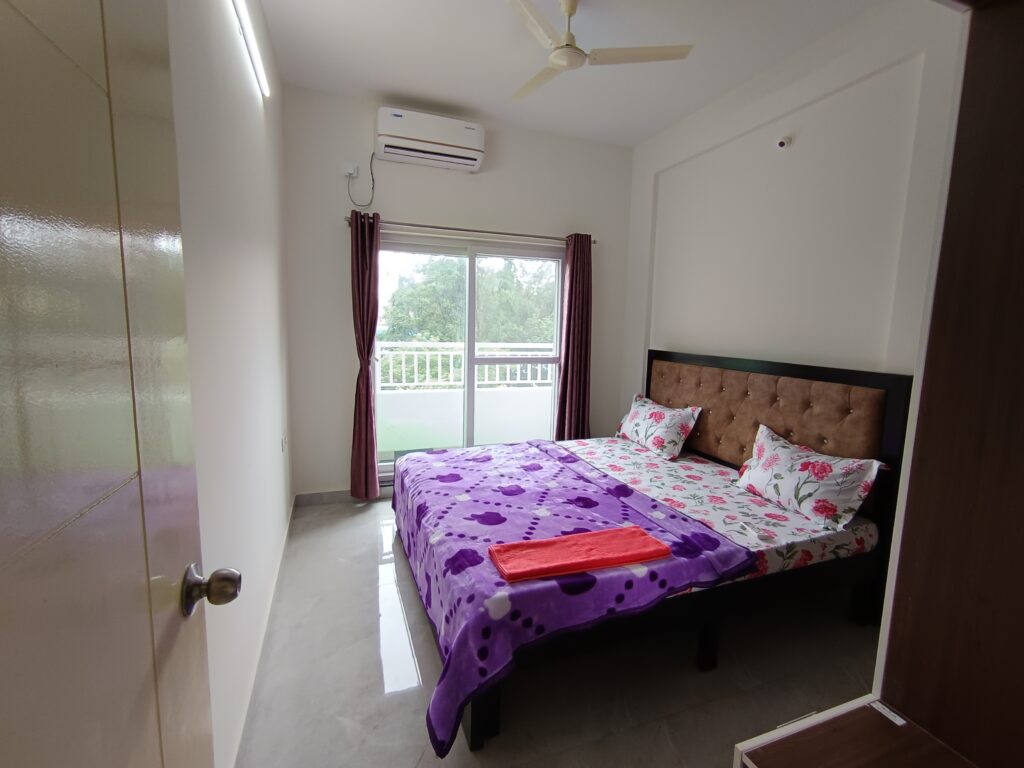
The way people travel and stay in cities has changed completely over the last few years.
Earlier, accommodation was viewed very simply. A person booked a room mainly for sleeping. Most travelers spent very little time thinking about emotional comfort, daily routine, or long-term livability because trips were shorter and expectations were basic.
Today, the situation is very different.
Modern travel is no longer limited to tourism alone. Cities like Bangalore attract people for work opportunities, relocation, business expansion, medical visits, long-term projects, remote work, education, and temporary transitions between important phases of life.
Because of this shift, people no longer want accommodation that feels temporary and emotionally disconnected.
They want places where life can continue naturally.
This is one of the biggest reasons service apartments have become increasingly important in Bangalore. People are slowly moving away from the idea of “just a room” and looking for environments that support actual living.
The difference between these two experiences is much larger than it appears.
A room provides shelter.
A livable environment provides emotional stability.
When someone spends more than a few days in a city, the brain automatically begins searching for routine. Human beings naturally function better when daily life feels organized and emotionally predictable. Even small habits create psychological grounding:
morning tea,
quiet evenings,
organized belongings,
comfortable rest,
and the ability to mentally disconnect from outside stress.
When accommodation supports these patterns, emotional adaptation happens faster.
When accommodation interrupts these patterns, even simple days begin feeling mentally exhausting.
Many people experience this during longer stays without understanding the actual reason behind their emotional fatigue.
At first, everything feels manageable because the brain treats the experience as temporary. During the first few days, excitement and movement hide discomfort. People stay busy exploring the city, handling work responsibilities, attending meetings, or adjusting to new schedules.
But eventually routine begins replacing novelty.
And that is when accommodation becomes emotionally important.
The room stops functioning as a temporary stop and starts functioning as part of life itself.
If the environment feels supportive, people naturally begin settling into the city more comfortably. Their routine stabilizes. Their stress levels reduce more quickly. Even difficult workdays become easier to handle because emotional recovery happens properly at night.
But when the environment feels restrictive or emotionally incomplete, adjustment becomes much harder.
The person continues feeling mentally unsettled even after weeks.
One reason this happens is because poorly designed stays create constant low-level mental friction.
Mental friction is subtle.
It appears in ordinary moments:
difficulty organizing belongings,
lack of personal space,
restricted movement,
or environments that never feel emotionally comfortable enough to fully relax inside.
None of these problems seem dramatic individually.
But repeated every single day, they slowly drain emotional energy.
The brain constantly processes small discomforts in the background.
And over time, that background stress becomes emotional exhaustion.
This is why many people staying in temporary accommodations eventually begin feeling emotionally tired even if they cannot clearly explain why.
Their nervous system never fully settles.
A supportive environment creates the opposite effect.
Instead of demanding continuous adjustment, the space quietly supports daily life. Routine begins forming naturally. The guest stops mentally negotiating with discomfort and starts emotionally relaxing inside the environment.
This transition is powerful because emotional stability directly affects overall quality of life.
People who feel emotionally comfortable during long stays often:
sleep better,
recover faster,
handle work pressure more calmly,
and experience the city more positively.
Their environment quietly improves emotional resilience.
Another important factor modern travelers now value is flexibility.
Traditional hotel-style living often feels emotionally rigid during longer stays. People may feel hesitant to truly settle because the environment constantly reminds them they are temporary guests.
Service apartments change this experience by creating a stronger sense of personal space and everyday livability.
Guests begin feeling less like visitors and more like residents.
This psychological shift matters deeply during long-term stays because human beings naturally need emotional ownership of their surroundings.
People want the freedom to create routine.
They want enough space to mentally breathe.
They want environments where life feels sustainable rather than temporary.
At Sagar Niwas, this understanding becomes central to the guest experience.
The goal is not simply to provide accommodation. The goal is to create spaces where guests can genuinely feel emotionally settled while living in Bangalore.
Whether someone chooses a studio room, a 1BHK apartment, or a larger 2BHK option, the focus remains on making everyday life easier, calmer, and more comfortable.
Because true comfort rarely comes from dramatic luxury.
It comes from emotional ease.
It appears when someone enters the room after a long day and immediately feels calmer.
It appears when routines begin forming naturally without effort.
It appears when mornings feel lighter and evenings feel peaceful.
It appears when the environment stops feeling temporary and begins feeling personally familiar.
These experiences shape memory more deeply than visible features ever can.
Interestingly, the best accommodations often become emotionally invisible in the healthiest possible way.
Guests stop thinking about adjustment.
They stop noticing friction.
They stop mentally resisting their environment.
And once that emotional resistance disappears, life in the city begins feeling smoother too.
That is why modern travelers no longer want “just a room.”
They want environments that quietly support their lives, protect their emotional energy, and help them feel genuinely comfortable during important phases of life.
And in a fast-moving city like Bangalore, that kind of comfort has become more valuable than ever before.
For bookings and enquiries
www.sagarniwas.com
phone: +91 7892636021
email: reachsagarniwas@gmail.com