
One of the hardest parts of staying away from home for a long time is something people rarely talk about openly.
After a few weeks, many people stop feeling fully like themselves.
The change is subtle at first. It does not happen suddenly or dramatically. Instead, it appears quietly through everyday emotions. Routine feels different. Energy feels different. Even personality begins feeling slightly altered under constant stress, movement, and adjustment.
People become more impatient.
More mentally tired.
Less emotionally relaxed.
And often they assume this is simply part of living in a busy city like Bangalore.
But in many cases, the deeper issue is not the city itself.
It is the absence of emotional comfort inside the environment they live in every day.
Human beings are deeply connected to familiar surroundings. At home, life flows naturally because the environment supports identity without effort. People know where everything belongs. Routine happens automatically. The nervous system feels emotionally safe enough to fully relax.
That feeling disappears during long stays in unfamiliar places.
Especially when accommodation feels temporary, emotionally cold, or mentally restrictive, the brain continues operating in adjustment mode for weeks. The person may function normally externally, but internally there is always a slight emotional tension.
This constant adjustment slowly affects emotional energy.
One reason this happens is because the brain never fully settles into the environment. Part of the mind continues treating the stay as temporary even after a long period of time. The room never truly feels personal or emotionally calming enough for complete mental relaxation.
As a result, everyday life begins feeling heavier than it should.
Simple routines require more effort.
Rest feels incomplete.
Even quiet moments feel emotionally unsettled.
Over time, people begin feeling disconnected from the calmer version of themselves.
This is why emotionally supportive accommodation matters far more than most people initially understand.
A good stay does more than provide physical comfort.
It allows the nervous system to slowly return to normal emotional rhythm.
The moment someone begins feeling emotionally safe inside a space, personality itself starts changing again in positive ways. Patience improves. Routine feels natural. Thoughts become quieter. The person begins feeling emotionally lighter without even realizing why.
This process is gradual, but powerful.
Many people notice it indirectly.
They suddenly start sleeping better.
They enjoy quiet evenings again.
Work pressure feels easier to handle.
The city itself feels less emotionally exhausting.
These changes happen because the environment stops draining emotional energy every day.
Human beings psychologically need spaces where they can stop performing and simply exist comfortably. Modern life already demands constant mental activity. Especially in Bangalore, daily schedules often involve endless stimulation:
traffic,
meetings,
calls,
notifications,
deadlines,
and continuous interaction.
By evening, emotional recovery becomes necessary.
But emotional recovery only happens properly when the environment supports relaxation instead of continuing stress.
In emotionally tiring accommodations, people never fully disconnect from pressure. Even after returning to the room, the nervous system remains slightly alert. The body rests physically, but the mind never completely slows down.
This creates emotional exhaustion over time.
A supportive environment changes the experience entirely.
The room begins feeling calming instead of temporary.
Evenings begin feeling peaceful instead of mentally crowded.
Routine starts creating emotional grounding again.
Eventually, the person stops constantly adjusting and starts emotionally settling.
That is when something important happens.
They begin feeling more like themselves again.
This emotional return matters deeply because long stays are often connected to important phases of life:
career transitions,
relocation,
business growth,
medical recovery,
or personal change.
During these periods, emotional stability becomes extremely valuable.
People do not just need accommodation.
They need environments that protect emotional well-being while life around them continues moving quickly.
This is one reason service apartments have become increasingly preferred in Bangalore. Modern guests want more than temporary functionality. They want spaces where life feels emotionally sustainable.
They want enough room to mentally breathe.
They want routine that feels natural.
They want evenings that help them recover emotionally instead of creating more stress.
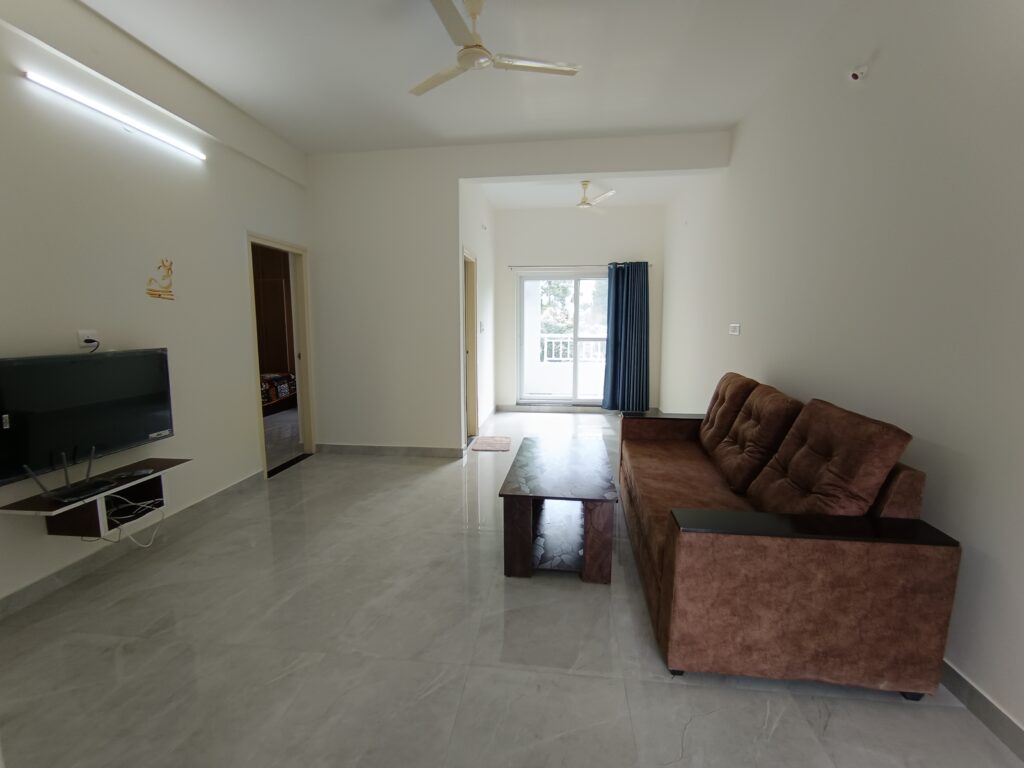
At Sagar Niwas, this understanding shapes the overall guest experience.
The focus is not simply on providing rooms but on creating environments where guests can genuinely feel emotionally comfortable during their stay.
Whether someone chooses a studio room, a 1BHK apartment, or a larger 2BHK setup, the intention remains the same:
to create living spaces where daily life feels calmer, lighter, and emotionally balanced.
Because true comfort often appears through very ordinary moments.
It appears when someone returns after a difficult day and finally feels able to relax.
It appears when mornings feel mentally lighter.
It appears when routine becomes emotionally grounding instead of exhausting.
It appears when the environment quietly begins feeling familiar and personally comforting.
These experiences may seem simple from the outside, but psychologically they shape everything about long-term living.
In the end, the best stays are not just places where people sleep comfortably.
They are places where people slowly reconnect with peace, routine, emotional balance, and ultimately, with themselves again.
For bookings and enquiries
www.sagarniwas.com
phone: +91 7892636021
email: reachsagarniwas@gmail.com